Pathology
17 notes, guide included

Start here
Pathology guide
Pathology is very important for Paper A, also considering it binds to physiology. You need to have a strong grip on pathologies.
Use First Aid to make core concepts, and then revise with help of these notes. I would say depending on which exam you sit in, they focus more on certain topics. My exam focused more on cellular and hypersensitivity reactions (There were whole scenarios asking what HSR is this).
But i would advise to cover all of these basic topics to be prepared for the exam. Some questions still come out of our domain which is hard to cover, but having a general idea of basics gives you an edge to select answer based on an educational guess.
Notes 16

Cellular
Cells respond to stress and injury through adaptation, reversible injury or irreversible injury leading to cell death. Definition: Increase in cell size, producing enlargement of an organ or tissue.
Inflammation & Healing
Inflammation is a protective response of vascularized tissue to infection, tissue injury or other harmful stimuli.
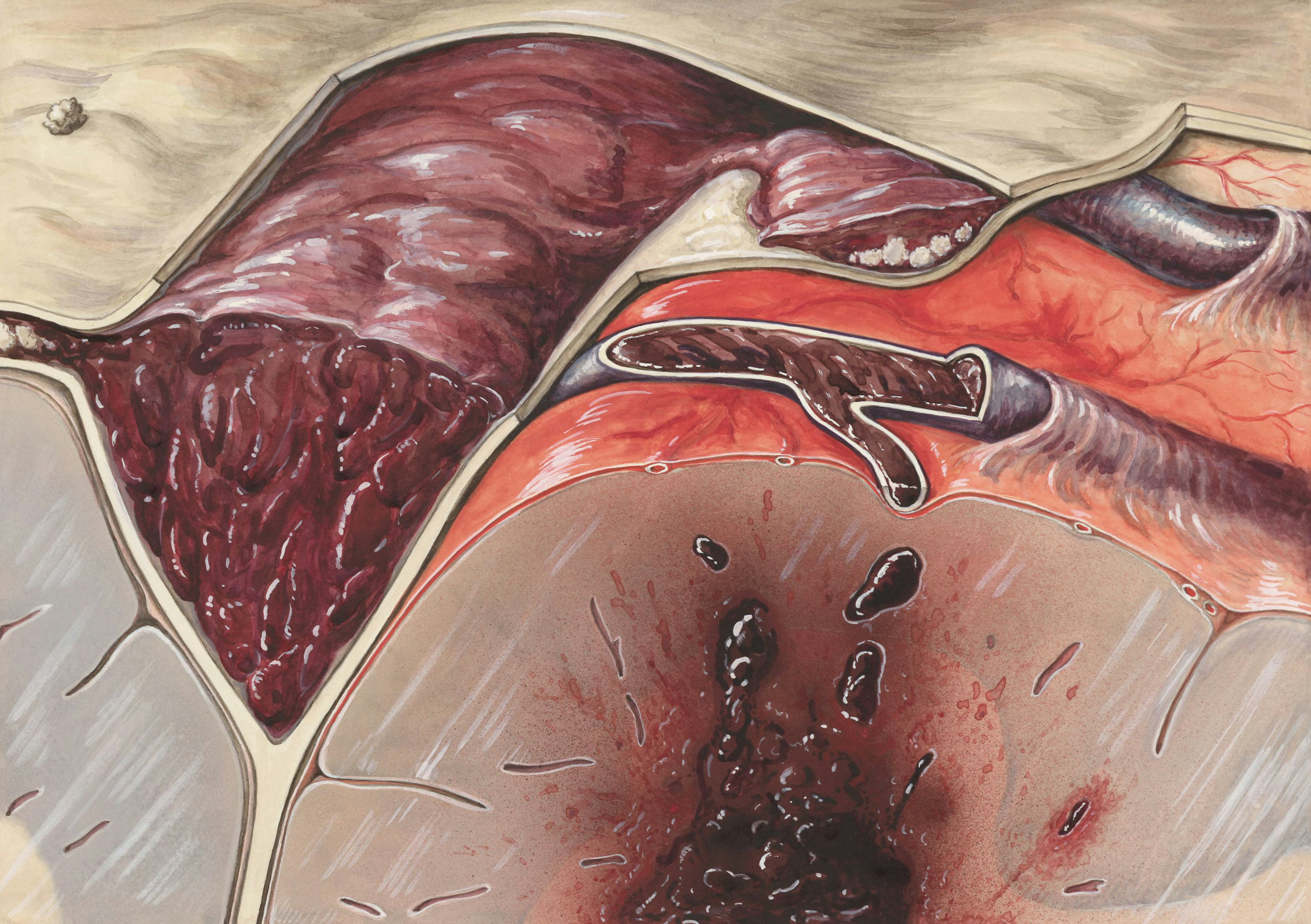
Vascular
Hemorrhage is the escape of blood from the vascular system. Clinical relevance: Petechiae may occur with platelet disorders, while deep tissue and joint hemorrhages are more characteristic of…
Cardiology
Mitral Valve (Apex): 5th left intercostal space in the midclavicular line. Aortic Valve: 2nd right intercostal space at the sternal border.
Nephrology
(also known as isosthenuria or the inability to concentrate/dilute urine appropriately) refers to the excretion of urine with a low fixed specific gravity (dilute urine), regardless of fluid intake.
Endocrine
Sheehan syndrome is post-partum hypopituitarism caused by ischemic necrosis of the anterior pituitary gland.
Immunology
Hypersensitivity occurs when an immune response causes tissue injury. MCQ tip: Type I = IgE + mast cells + immediate reaction.
Genetics
Chromosomal abnormalities may involve changes in chromosome number or structure. Dental relevance: Delayed eruption, hypodontia, malocclusion and increased susceptibility to periodontal disease may…
GIT + Liver
1. Pathophysiology: ◦ Cystic Fibrosis (CF) is an autosomal recessive disorder caused by mutations in the CFTR (Cystic Fibrosis Transmembrane Conductance Regulator) gene.
Neoplasia
Generally named by adding the suffix -oma to the tissue of origin. Exam tip: The suffix -oma does not always indicate a benign tumor.
Proteins
Misfolded proteins may lose normal function, accumulate within cells or form abnormal extracellular deposits.