
Library
All notes
149 notes
Glycolysis
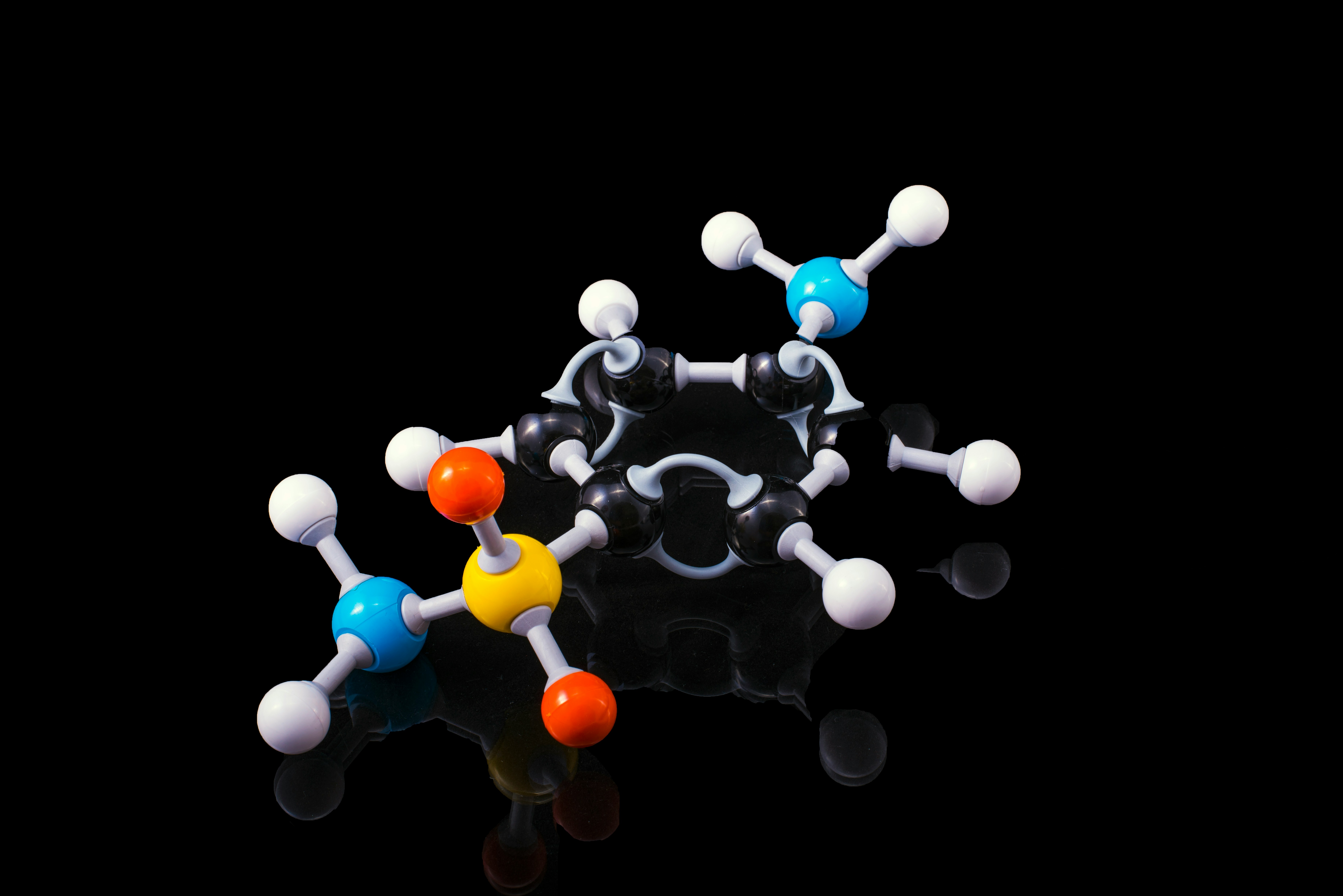
Glycolysis converts glucose into pyruvate in the cytoplasm. It can generate ATP without directly requiring oxygen, although the fate of pyruvate depends on cellular conditions.
Proteins
Essential amino acids cannot be synthesized in sufficient amounts by the body and must be supplied through the diet.
Carbs
Non-Reducing Sugar: ◦ Sucrose (Table sugar — composed of Glucose + Fructose linked by an alpha-1,2-glycosidic bond).
Fats
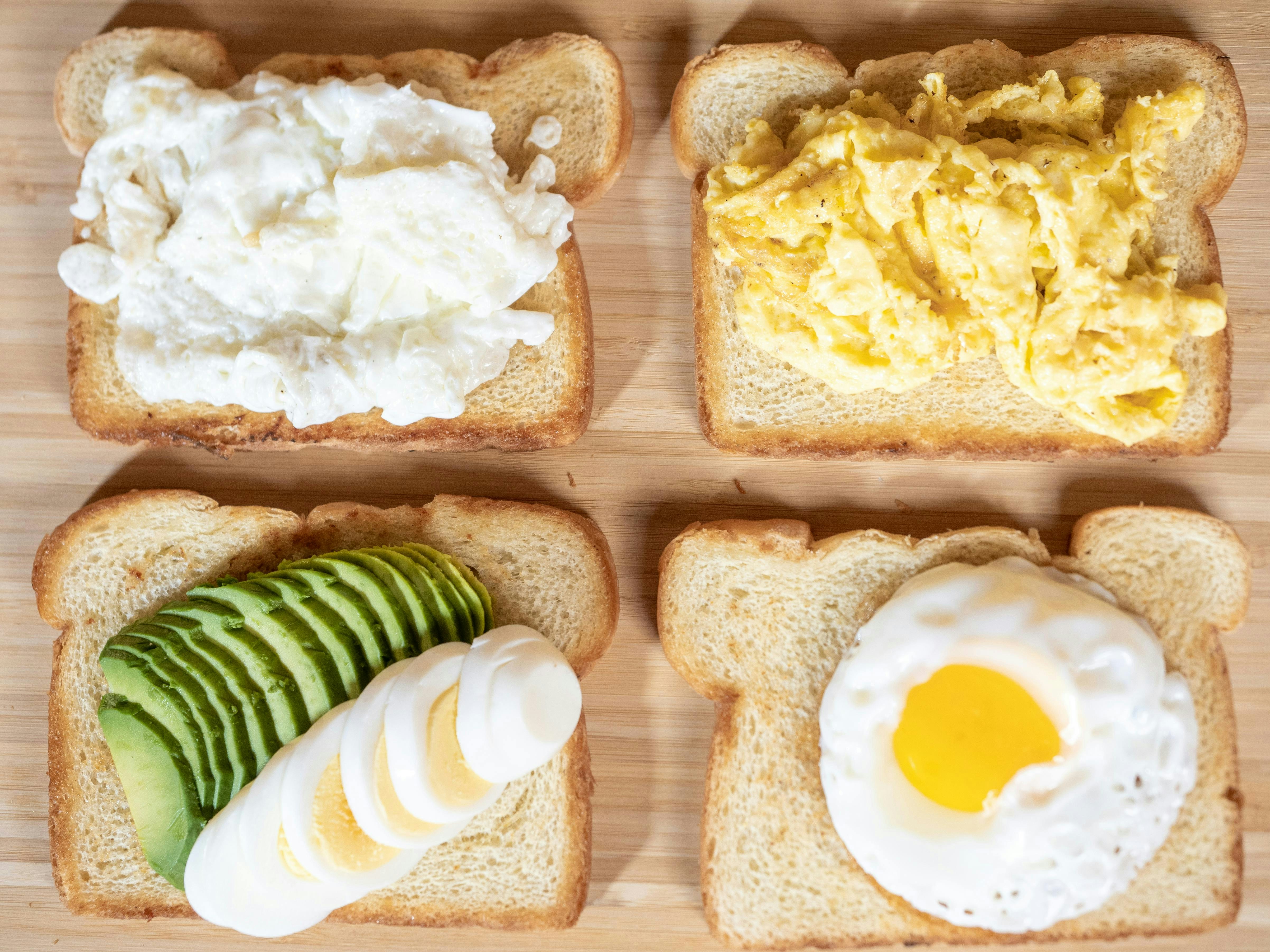
True Essential Fatty Acids (Must be obtained from diet): ◦ Linoleic acid (Omega-6) ◦ alpha-Linolenic acid (Omega-3).
Cholestrol
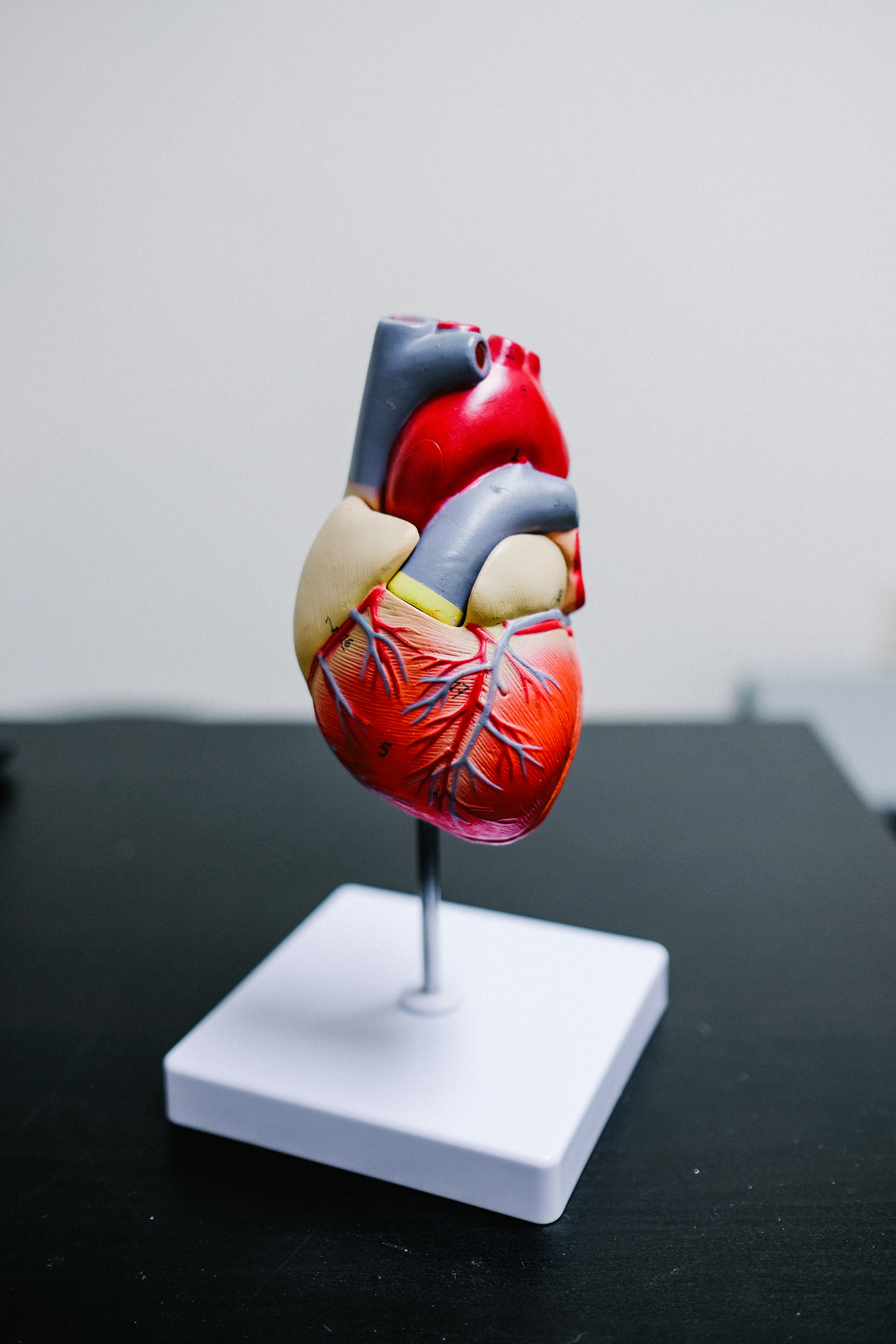
HDL accepts cholesterol from peripheral cells. LCAT esterifies cholesterol, helping retain it within HDL particles for transport toward the liver and other pathways of elimination.
Vitamins
Vitamin A supports retinal function and normal epithelial differentiation. Clinical correlation: Vitamin A deficiency may affect oral and respiratory epithelium as well as vision.
Respiratory
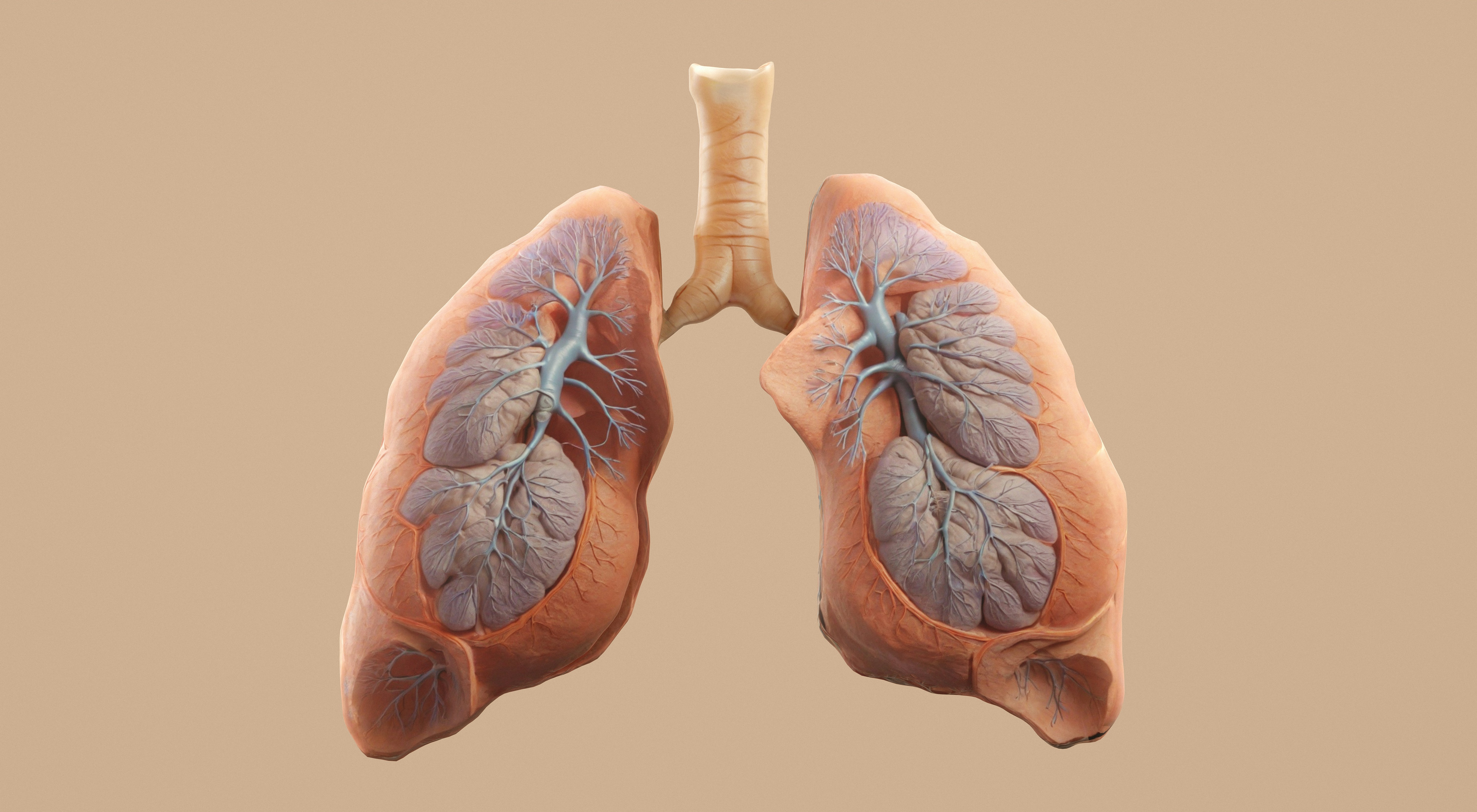
The respiratory system is divided into two functional zones. Remember: Type I cells are specialized for diffusion; Type II cells produce surfactant.
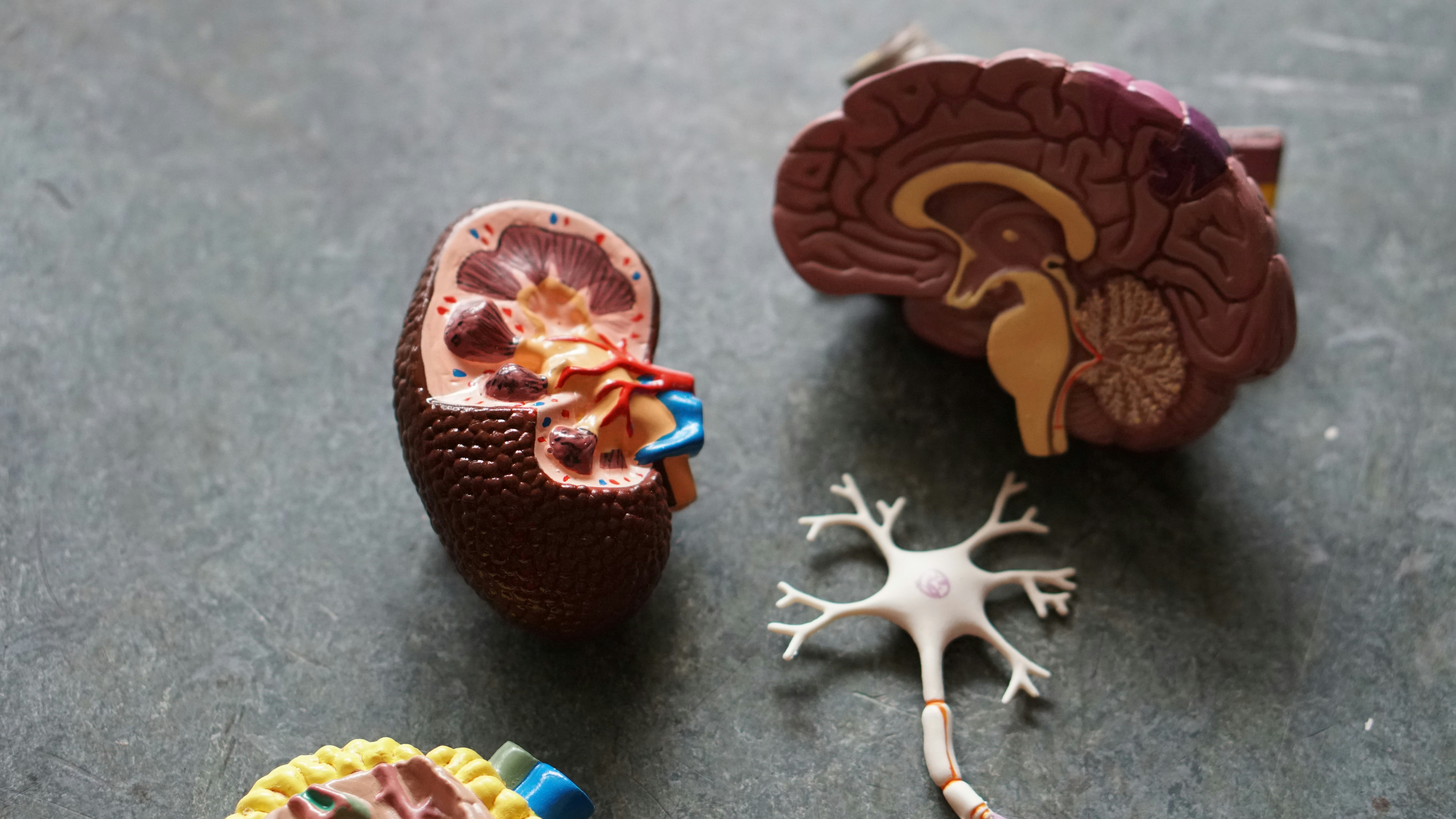
Renal and Acid Base
GFR is the volume of filtrate formed by both kidneys per minute. Clinical correlation: Primary adrenal insufficiency can produce hypotension, hyponatremia, hyperkalemia and metabolic acidosis due to…


