
Physiology
17 notes, guide included

Start here
Physiology guide
Physiology is the a major topic being asked in Paper A. And i believe it is the only subject that needs a lot of concept. Having a strong grasp on this helps a lot in exam.
There is no need to read Guyton or BRS, I used First Aid and my notes to cover most of it. And also some videos from YouTube.
Now it depends on your luck what topic is asked more in the exam you sit, e.g our exam was heavy Endo and Cardio which i fortunatley had a strong grip on. However, i would advise to have a good knowledge of all these systems.
They expect us to know more Physio than we are taught in our BDS. You might have to go out of your comfort zone to study additional topics as well. Just make sure you know each system in and out.
Try to correlate physiology with pathology and pharmacology as well. This helps understand the systems more.
Note: My notes arent enough as a stand alone preperation. They offer extra bits that i compiled which helped me in MCQs and in exam. You will have to study additional topics from First Aid or youtube videos.
Notes 16
Nerve Membrane
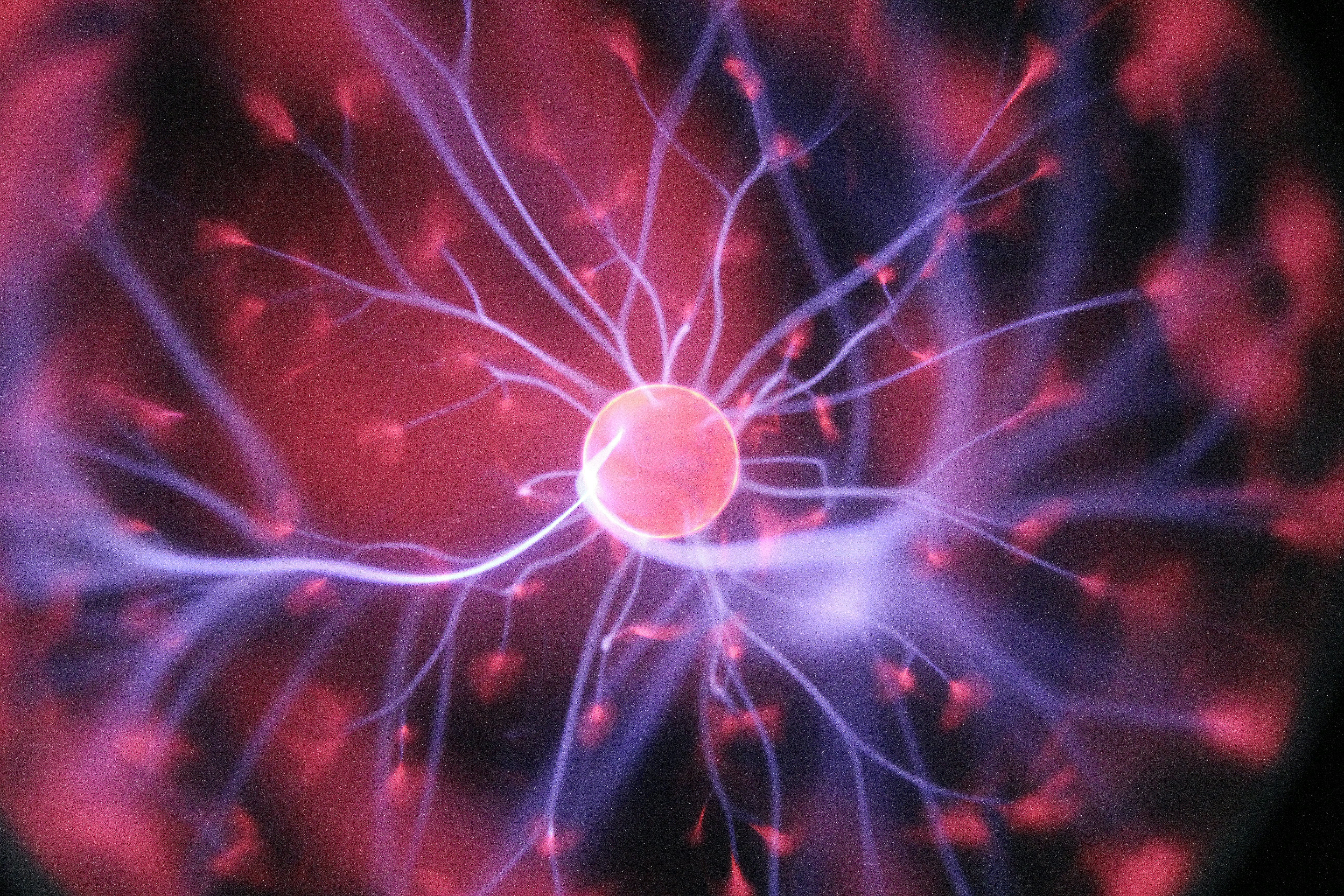
The cell membrane is a phospholipid bilayer. Because its core is hydrophobic, charged ions cannot freely cross it and require specific membrane proteins.
Cell
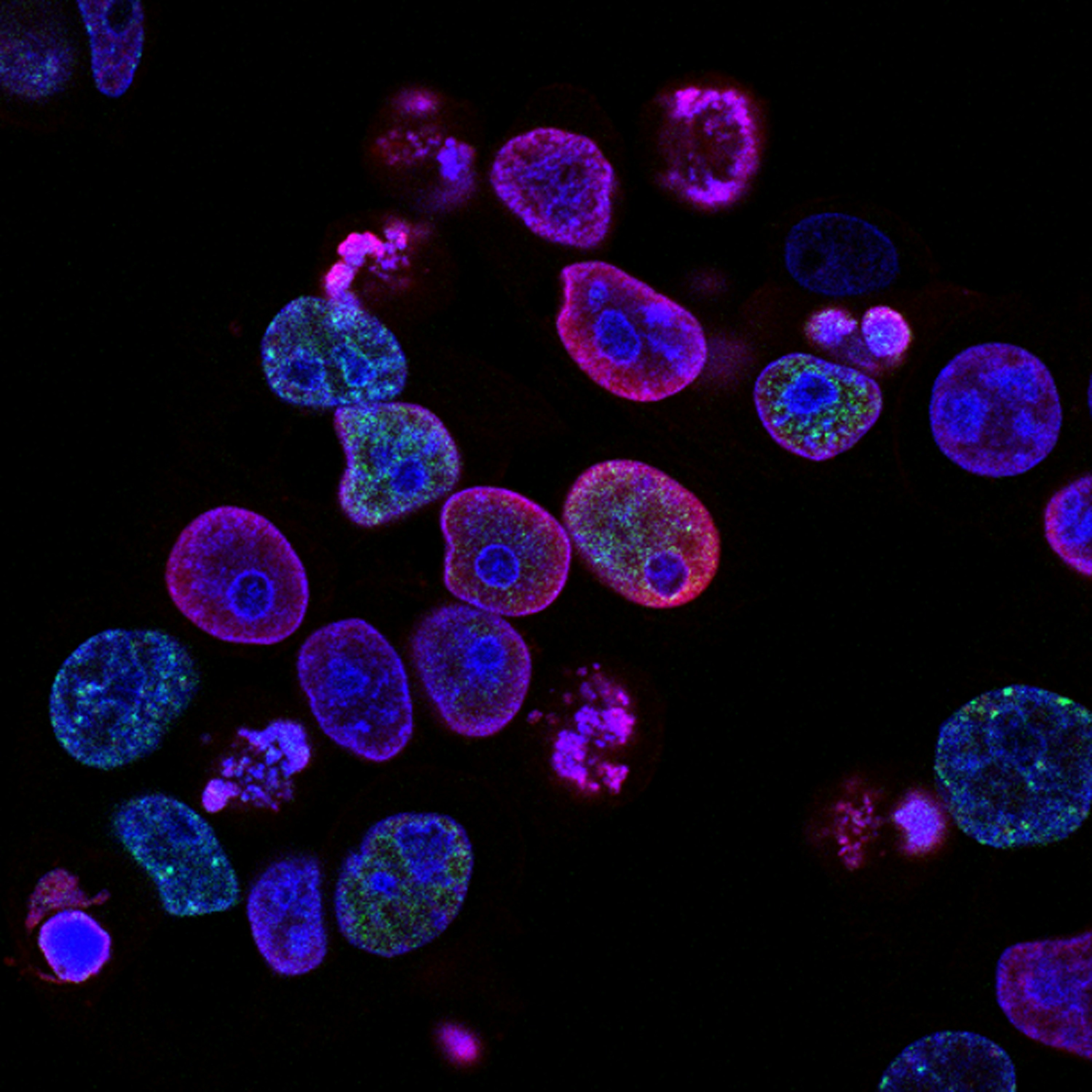
The plasma membrane is a fluid phospholipid bilayer that separates the intracellular and extracellular environments and selectively controls movement of substances.

Body Fluids
FCPS pearl: TBW percentage depends on age, sex and body composition, so the 60% rule is an approximation, not a universal value.
Muscle
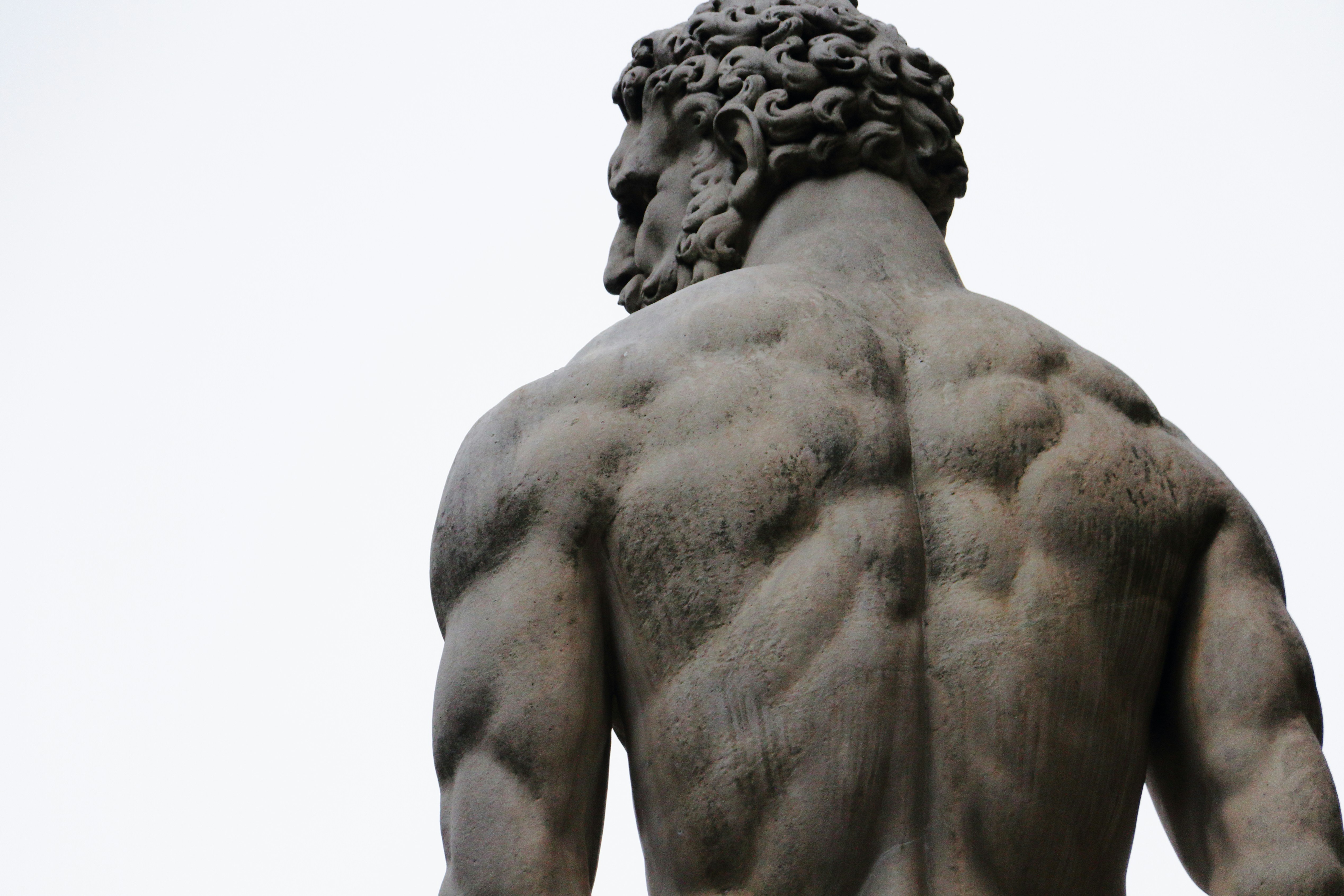
Whole muscle → fascicles → muscle fibres → myofibrils → myofilaments. The collagen fibres of these coverings blend with tendon collagen, transmitting muscle force to bone.
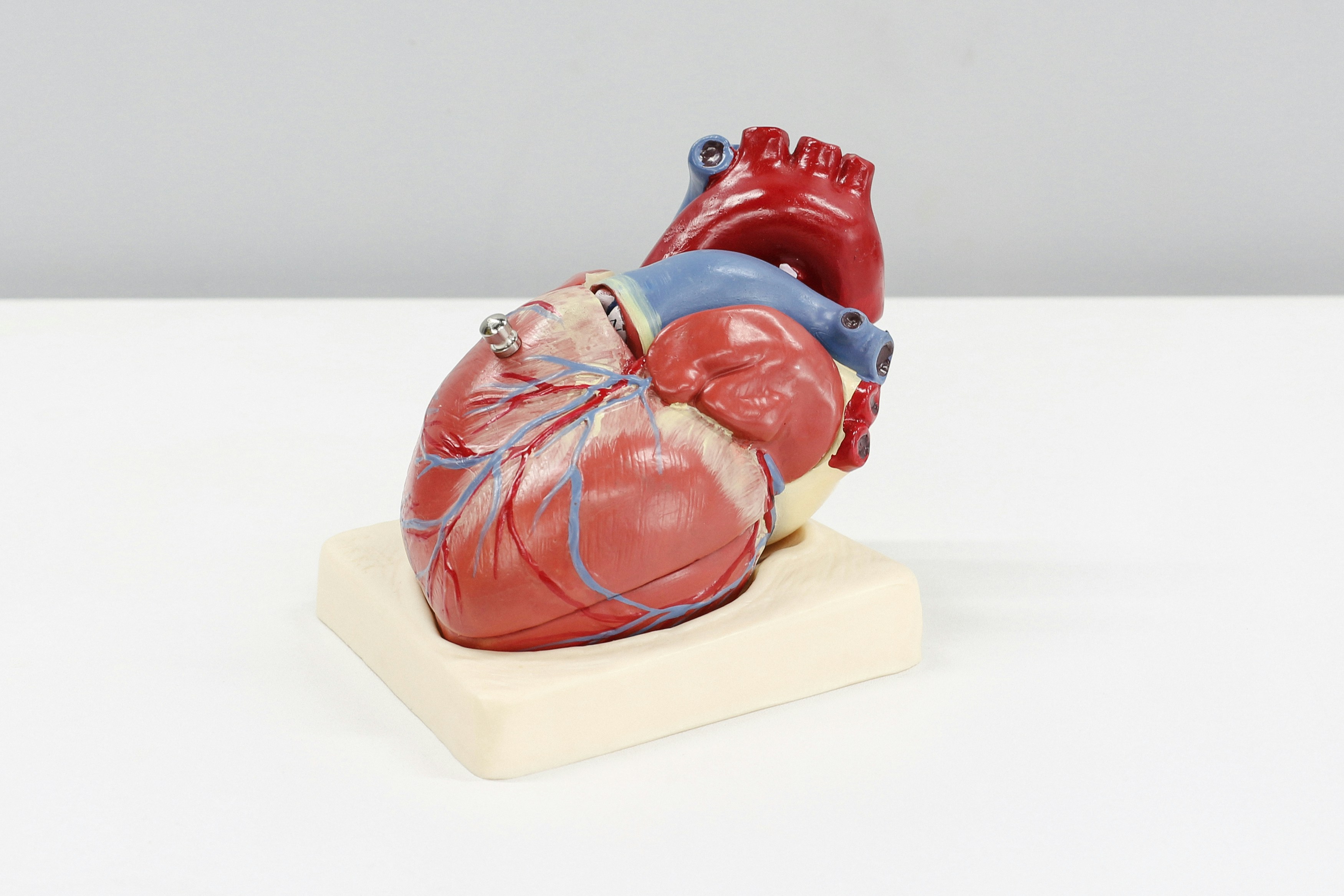
Cardiac
The cardiac cycle describes the sequence of filling, contraction, ejection and relaxation during one heartbeat.
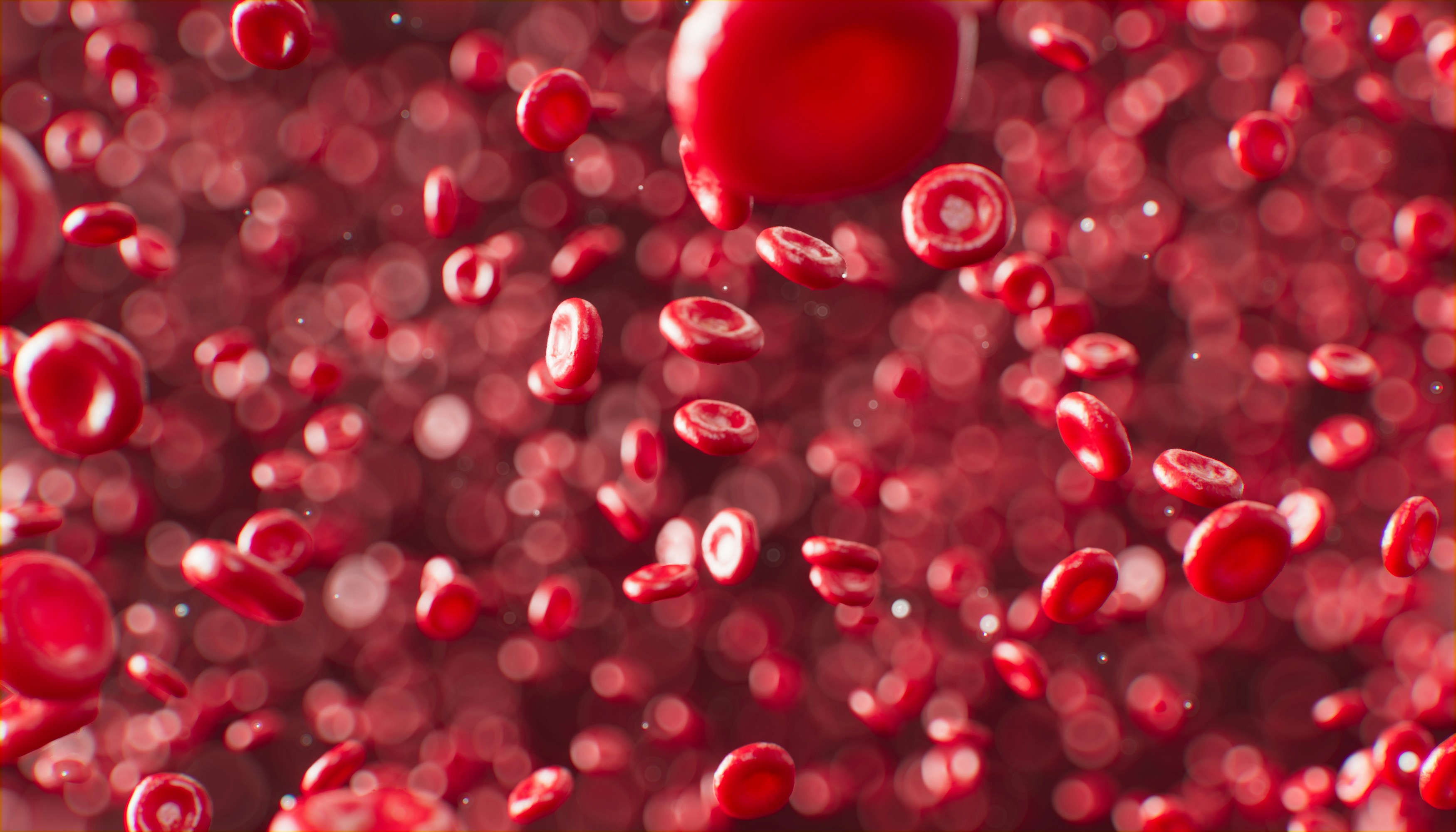
Blood
Haematocrit (Hct) is the percentage of blood volume occupied by RBCs. Plasma is approximately 92% water.
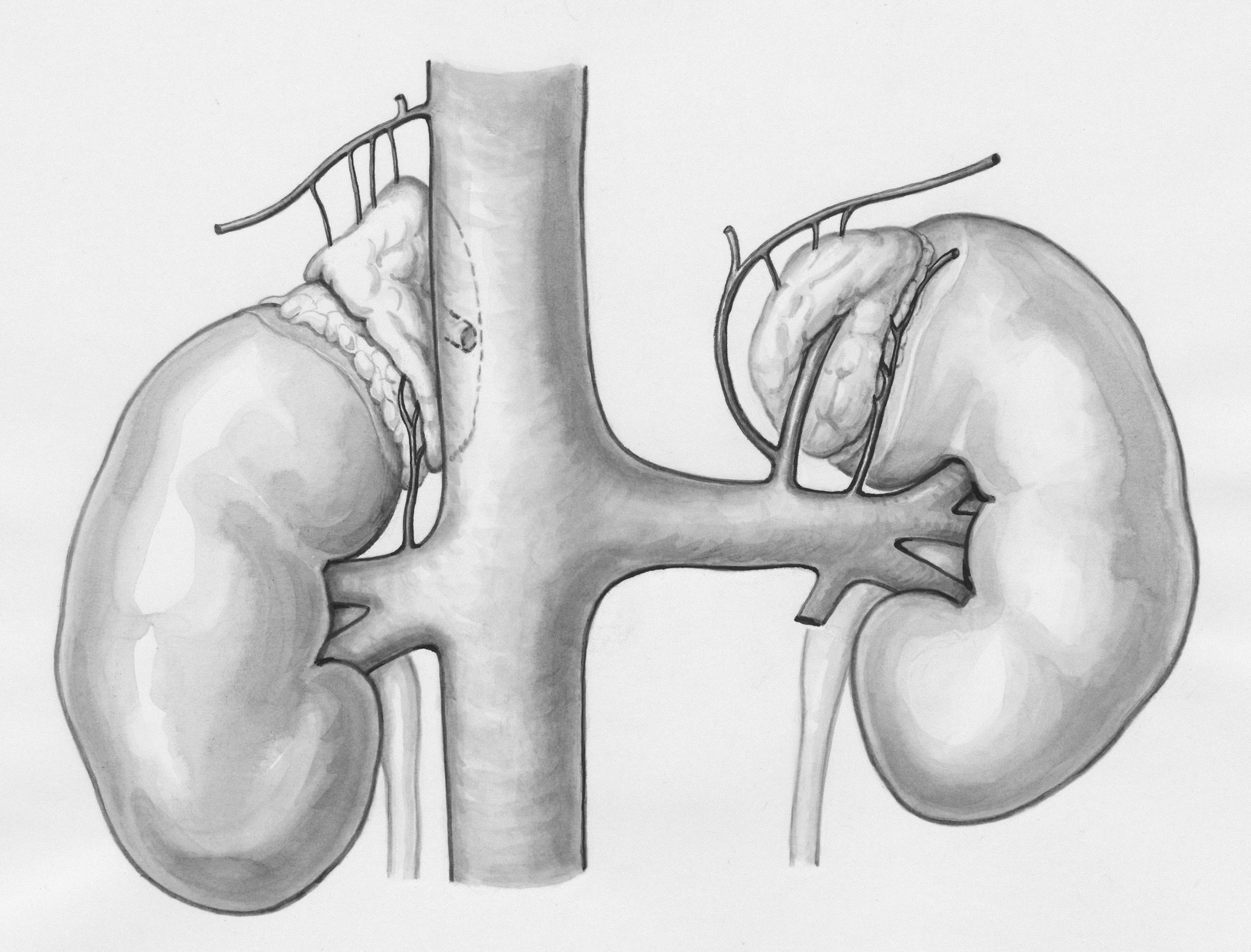
Renal
Memory cue — GFR: Glomerulosa = Salt (aldosterone); Fasciculata = Sugar (cortisol); Reticularis = Sex (androgens). All cortical steroids derive from cholesterol.
Hormones
MCQ tip: If asked for the insulin-dependent glucose transporter, choose GLUT4. Fruity breath is due to acetone. DKA/HHS require emergency hospital treatment, not dental-office management.
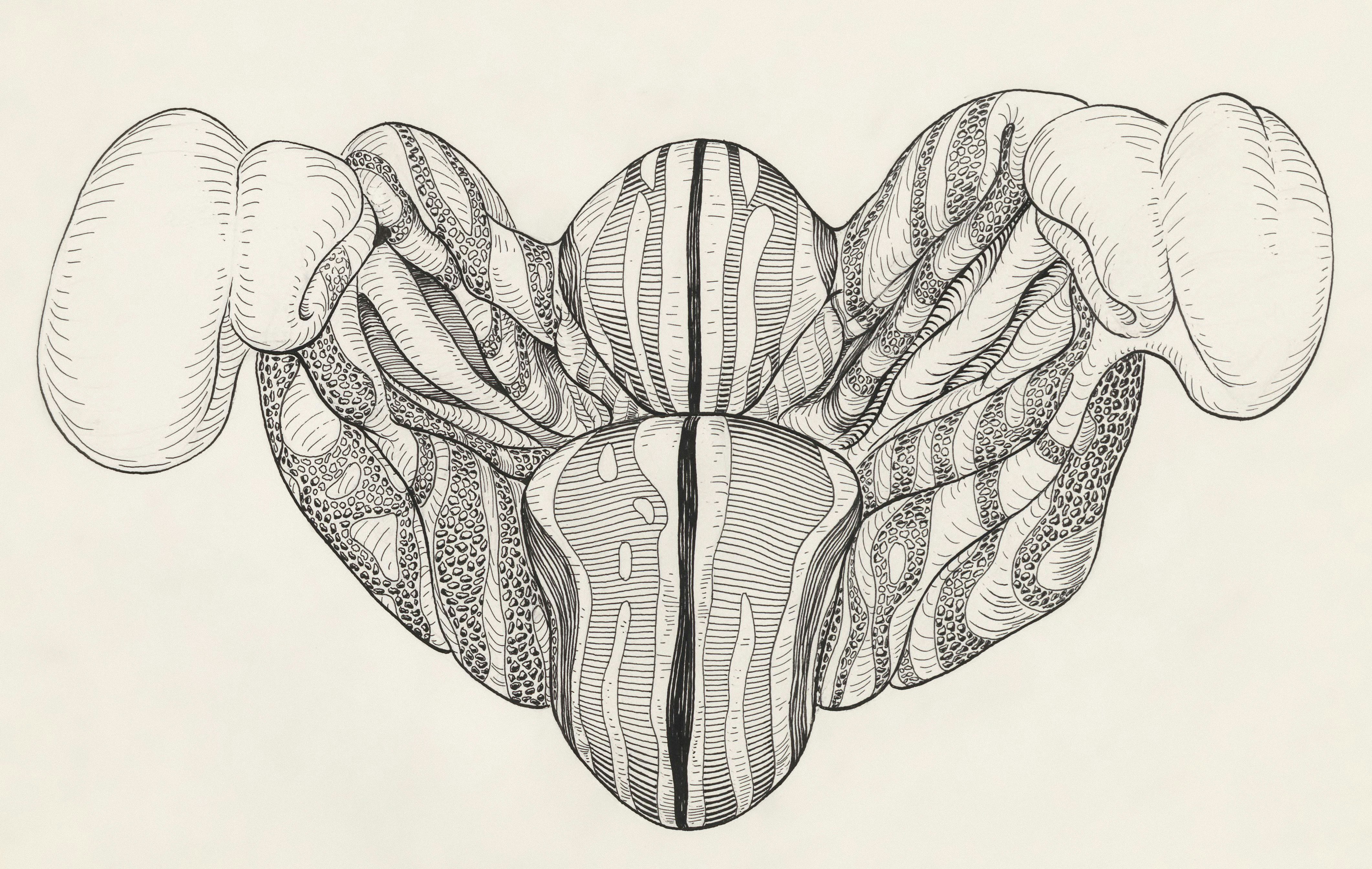
Thyroid
Graves disease: IgG thyroid-stimulating immunoglobulins (TSI) activate the TSH receptor. Hashimoto thyroiditis is associated with anti-TPO antibodies.
General
Negative feedback is the dominant control mechanism. Positive feedback is uncommon and self-amplifying; estrogen-triggered LH surge before ovulation is the classic example.
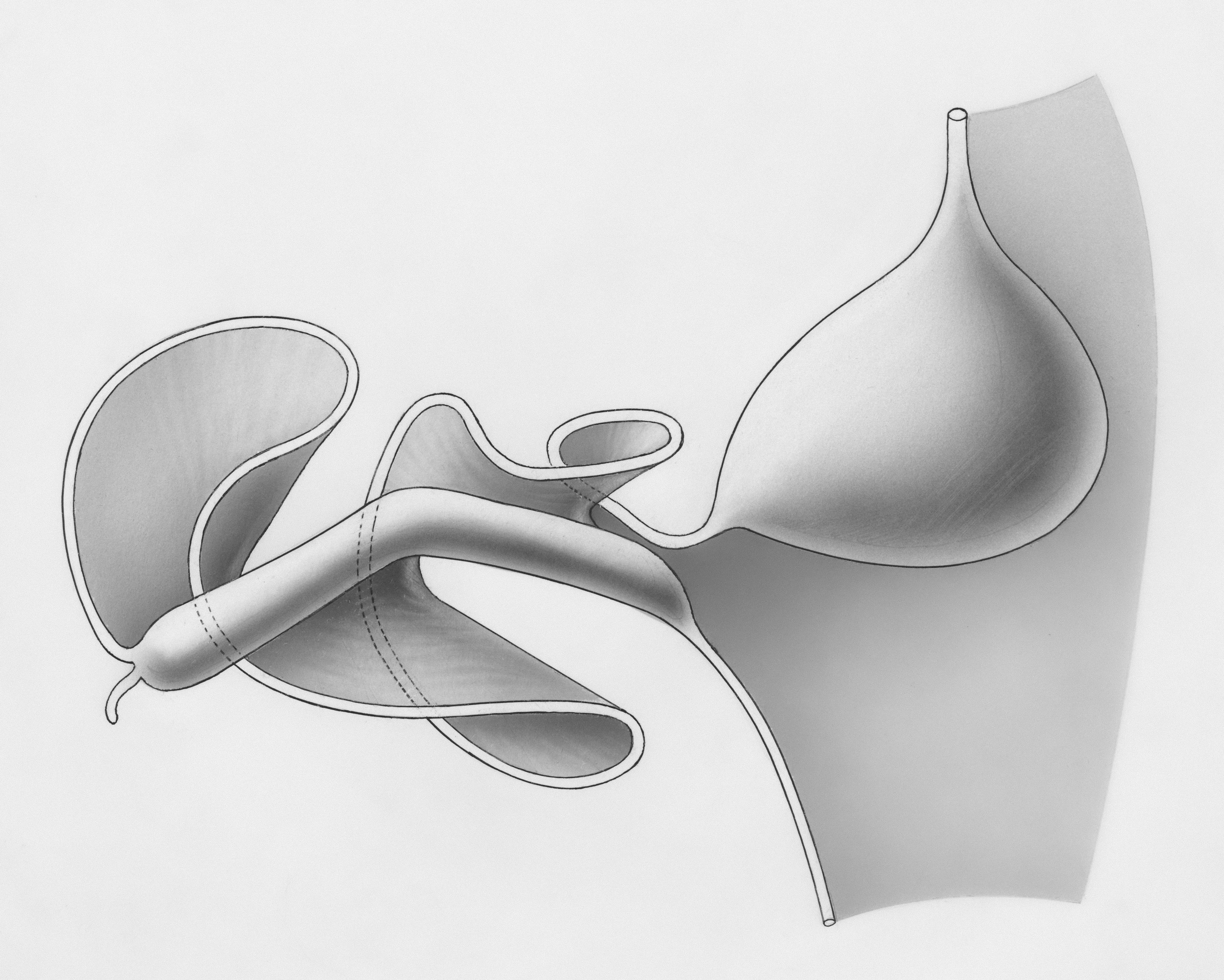
GI
The gut wall has four major layers, from the lumen outward. MCQ tip: Auerbach = motility; Meissner = mucosal secretion and local regulation.
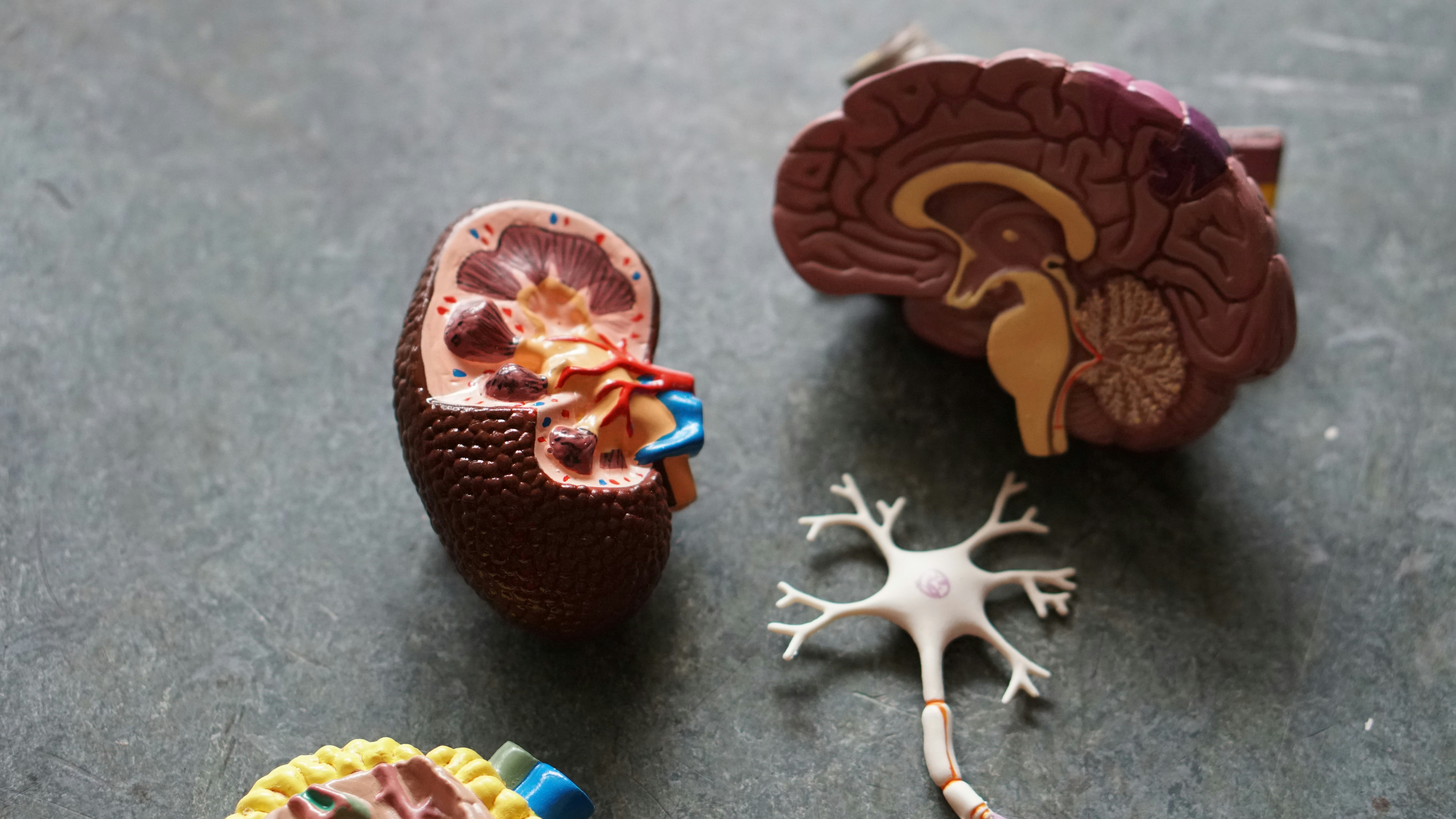
Renal and Acid Base
GFR is the volume of filtrate formed by both kidneys per minute. Clinical correlation: Primary adrenal insufficiency can produce hypotension, hyponatremia, hyperkalemia and metabolic acidosis due to…
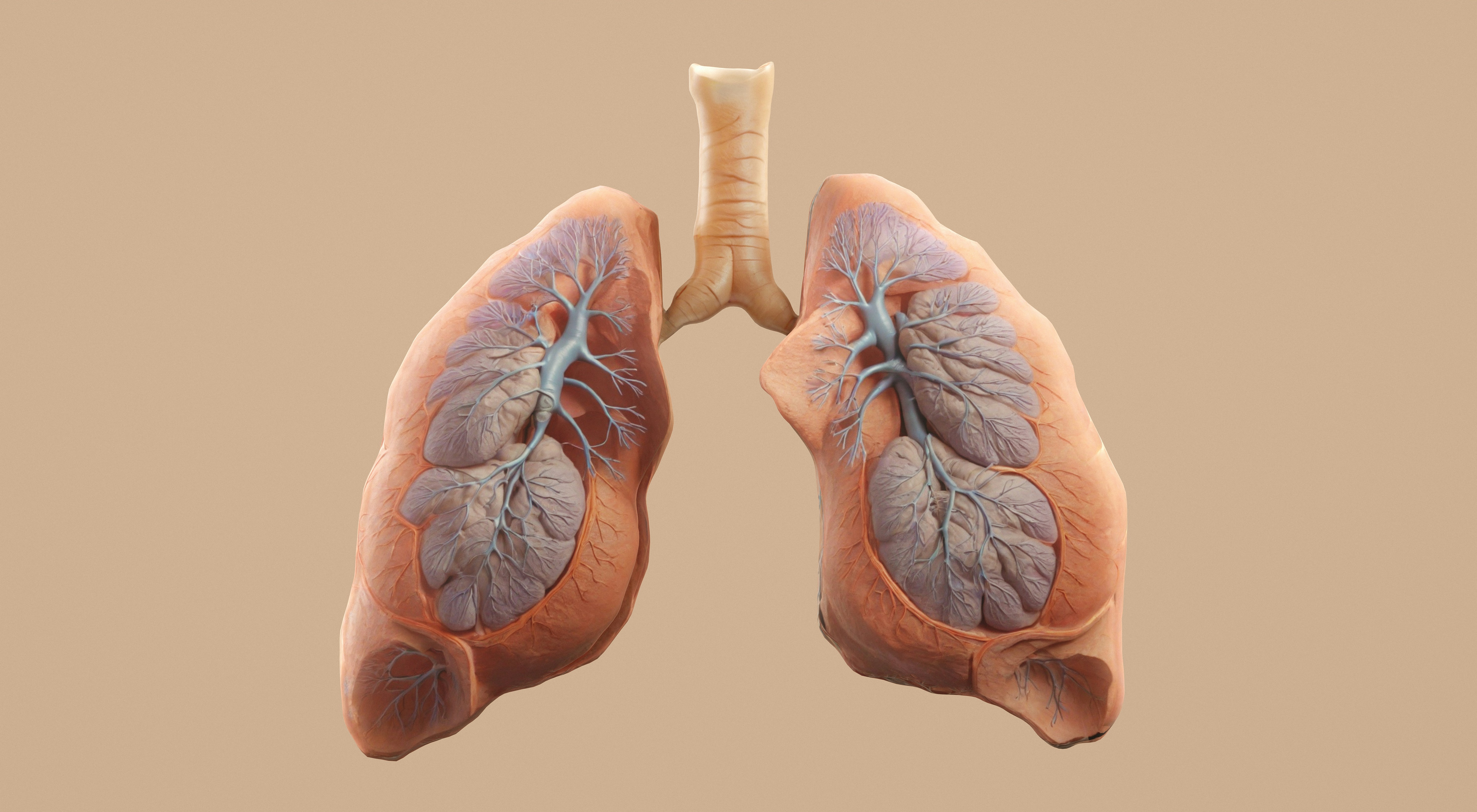
Respiratory
The respiratory system is divided into two functional zones. Remember: Type I cells are specialized for diffusion; Type II cells produce surfactant.
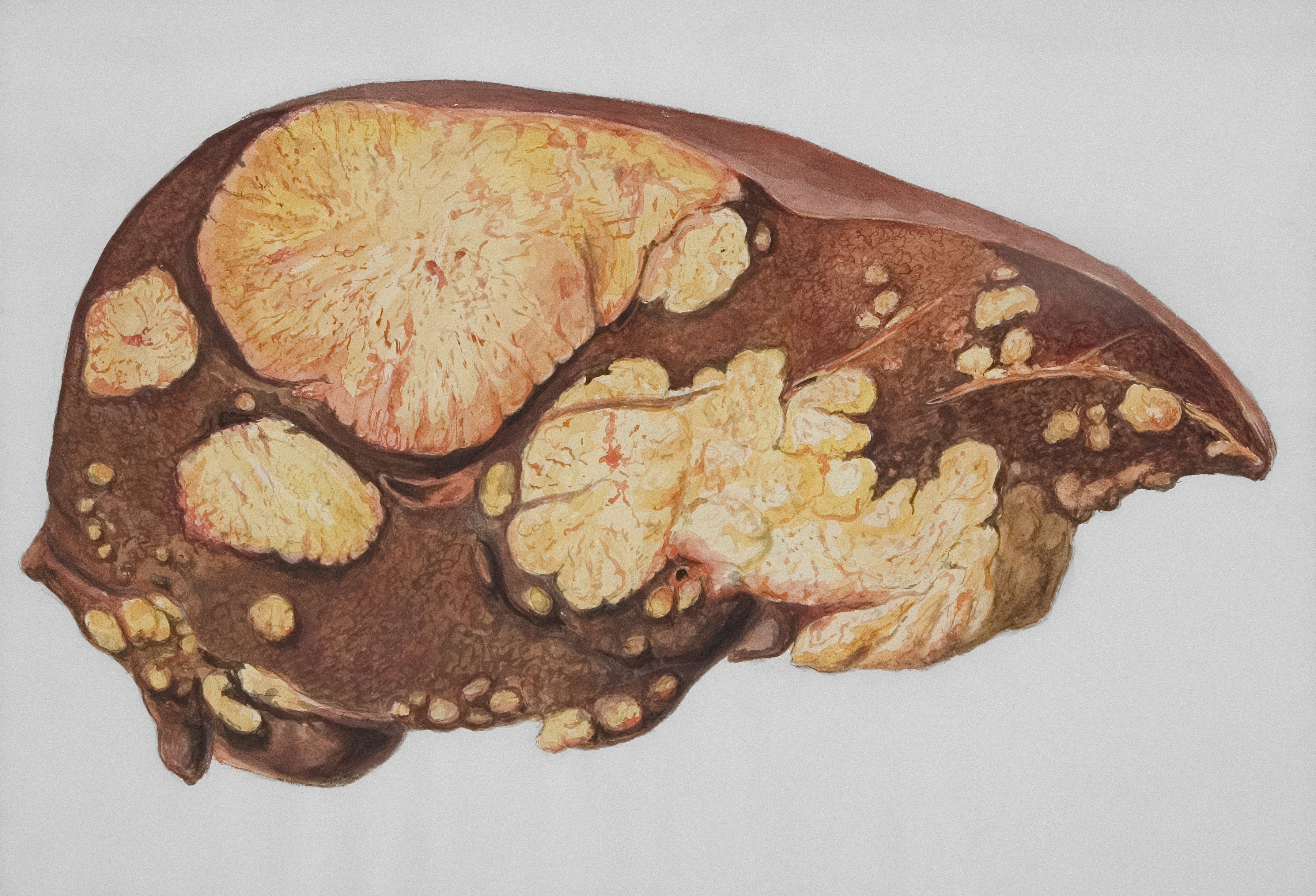
Liver
The liver receives blood from two sources. Blood passes through hepatic sinusoids and drains into central veins, then hepatic veins and the inferior vena cava.

Last Day Revision
Sensitivity order: C > B > A-δ > A-α — pain fibres generally blocked before large motor fibres. Stimulus → Receptor → Afferent pathway → Integrating centre → Efferent pathway → Effector → Response.


