
Anatomy
9 notes, guide included

Start here
Anatomy guide
Anatomy holds one of 2 biggest chunks of Paper A. As a BDS graduate, they expect us to know A-Z of Head and Neck anatomy. This include bones, vascultaure, nerves, their general relations as well.
I had covered Anatomy well in First Year of my BDS using Grey’s Anatomy for students. I revised it once for more detailed content and would advise you the same. It is well written with diagrams.
If you have time, do give a thorough read of this book. Also some youtube videos helped me grasp a visual idea of structures as well. Always try to make a image inside your head where a vessel or nerve or muscles may start and end up.
OMFS section also relates everything to anatomy, which is why this is an important topic to cover. Same goes for Neuroanatomy. And anatomy requires spaced repetition to stick in your brain. You can never read it once or twice and expect it to be memorized.
Revise the topics and attempt (subject wise MCQS) for anatomy. Make your own notes of topics that are being asked more and go through them in detail.
Note: My notes arent enough as a stand alone preperation. They offer extra bits that i compiled which helped me in MCQs and in exam. You will have to study additional topics from either Grey’s or use youtube videos. I haven't added notes on all topics because some of them I knew already.
Notes 8
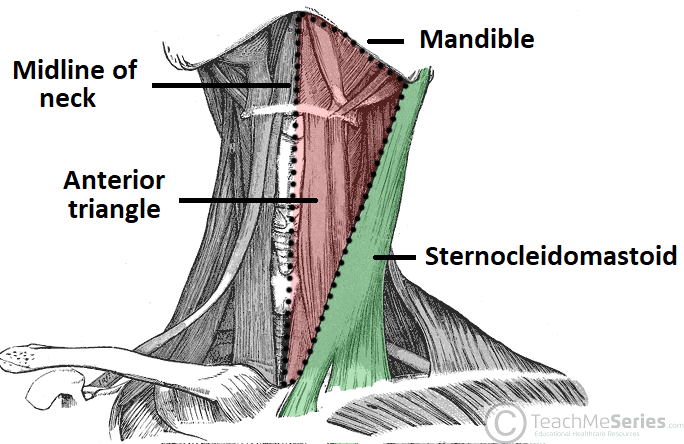
Triangles of neck
Visual reference: the four subdivisions are separated by the digastric and omohyoid muscles.
Thyroid & Larynx
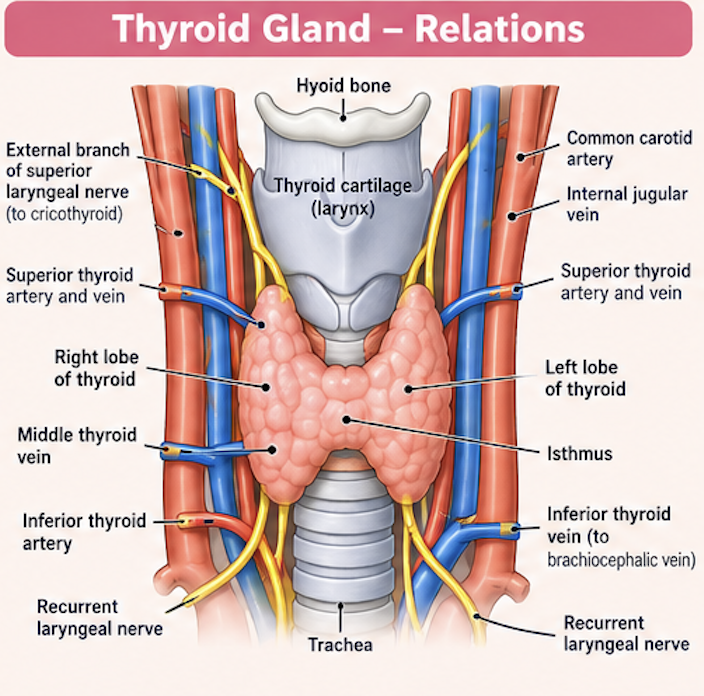
Exam distinction: EBSLN injury impairs tension of the vocal folds; RLN injury impairs most intrinsic laryngeal muscles.
Tongue
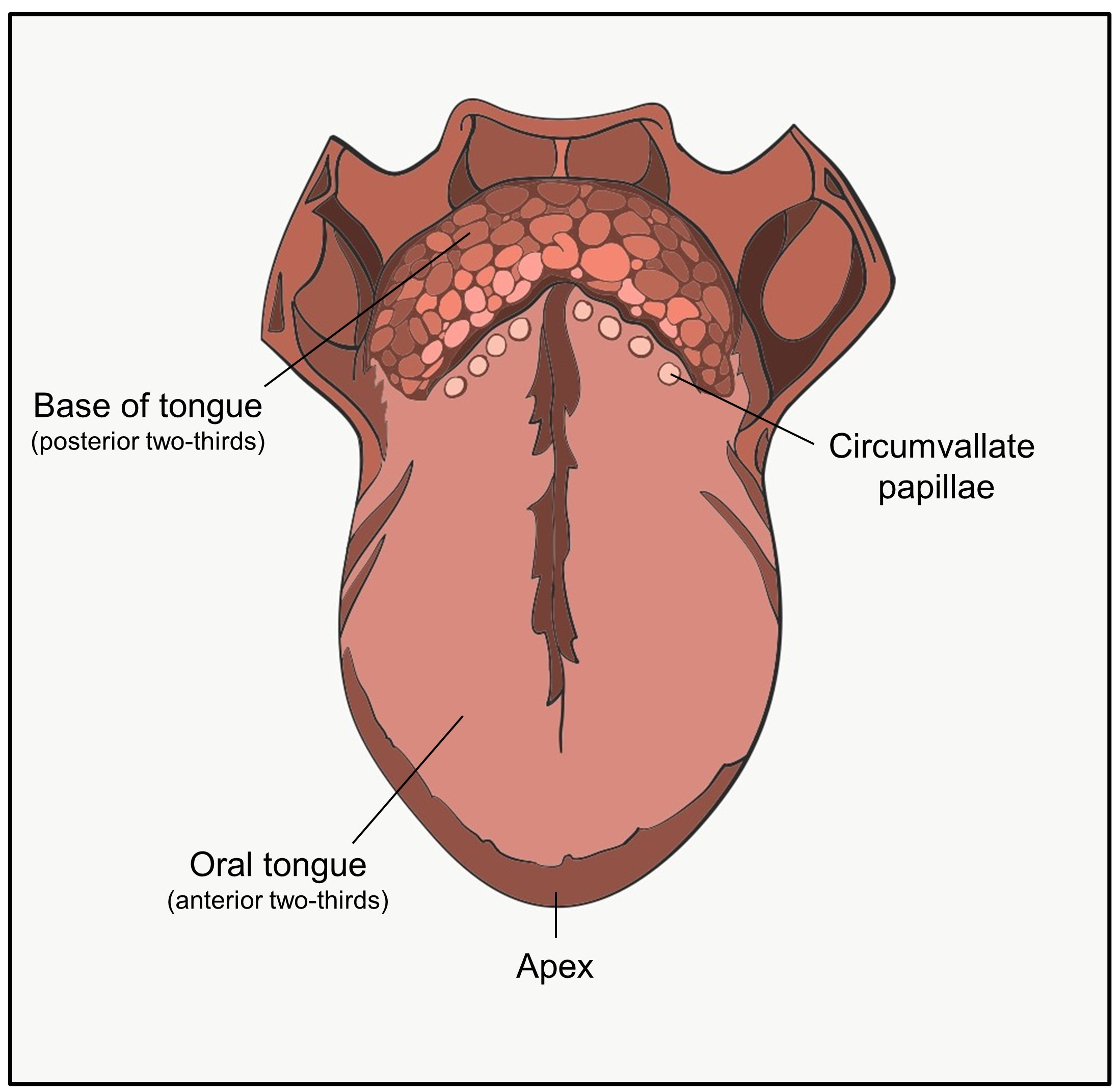
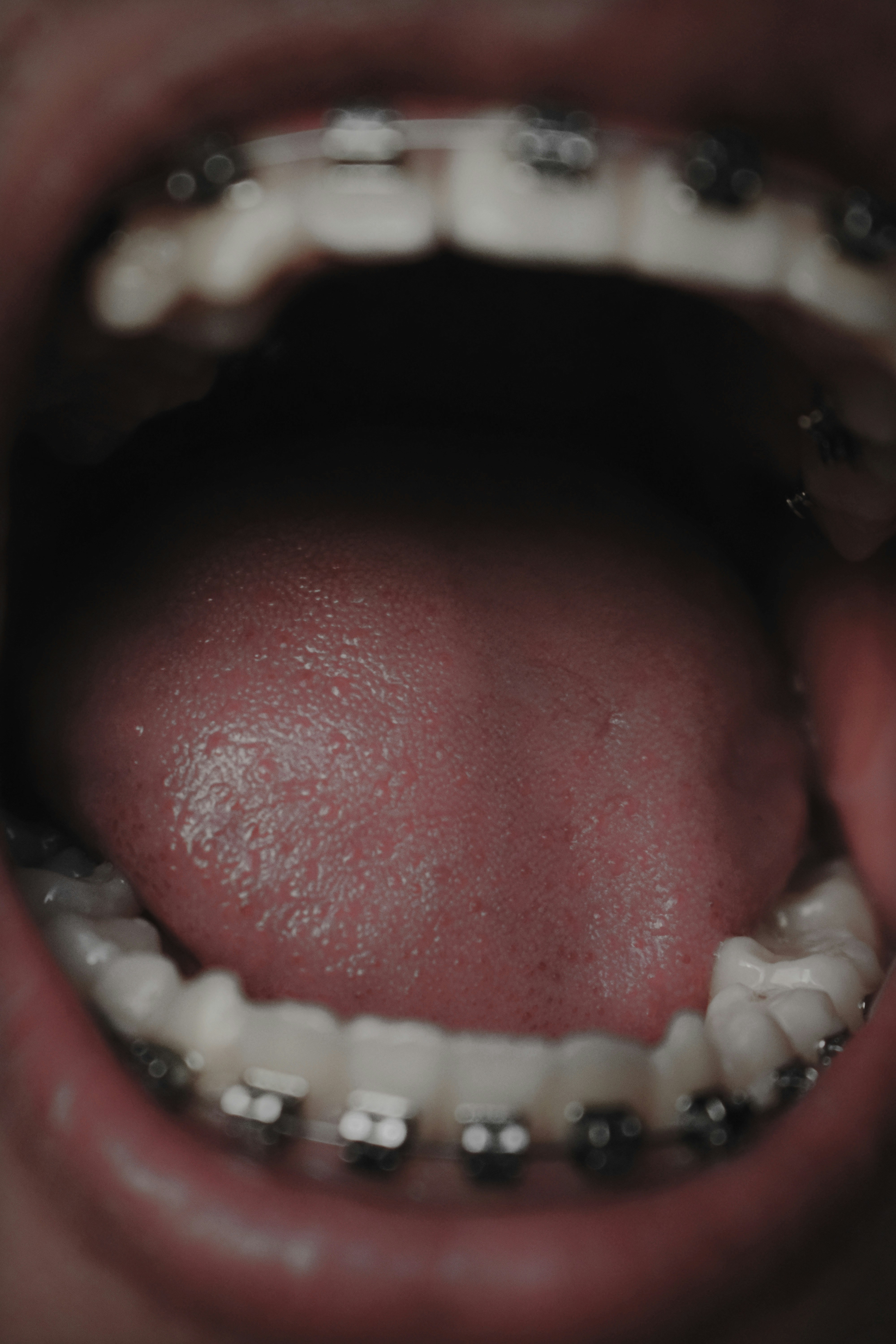
Clinical pearl: A hypoglossal nerve lesion causes the protruded tongue to deviate toward the side of the lesion because the intact genioglossus pushes the tongue toward the weak side.
Eye
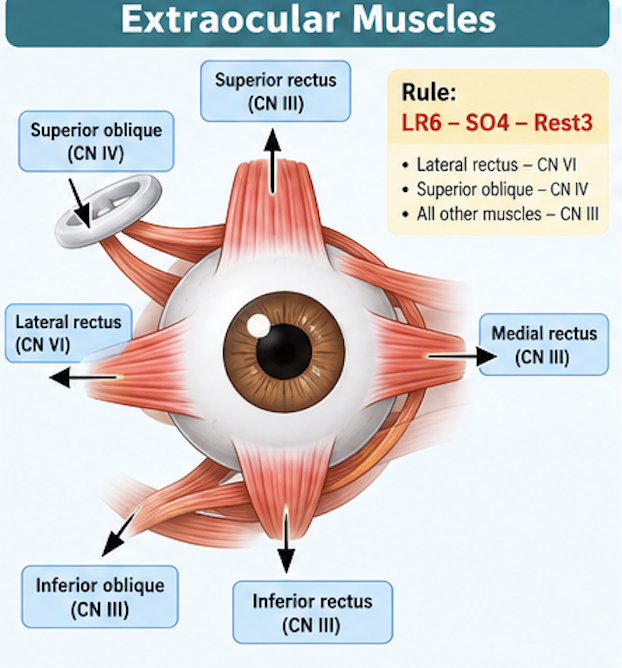
Caused by interruption of the sympathetic pathway. Possible causes include a Pancoast tumor, brainstem/spinal cord lesions, or carotid artery dissection. Facial flushing may occur.


